How to Diagnose Common AC Problems in Brooklyn: A Homeowner’s Guide
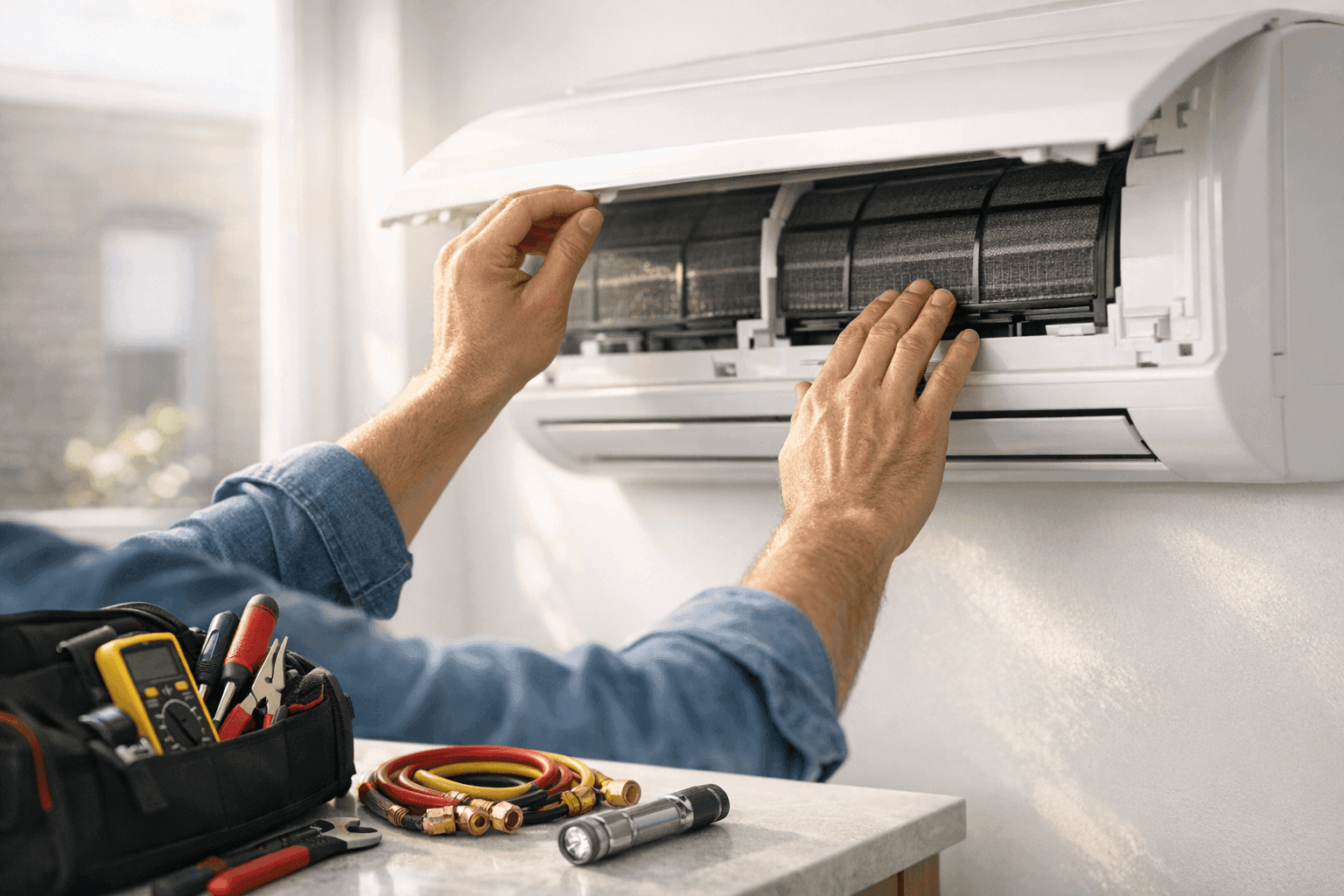
Is your AC struggling to keep up with Brooklyn’s muggy summers? You’re not alone. In a city where brownstones and high-rises crowd every block, cooling down can feel like a battle. At Brook HVAC, we’ve seen just about every cooling hiccup there is—from rattling window units to central air that stops cold just when you need it most.
This guide will help you spot common air conditioning problems, try a few safe fixes, and know exactly when it’s time to call for HVAC Repair in Brooklyn, NY. Let’s break down the symptoms, the do-able, and the downright dangerous—so you can stay cool and confident.
Top AC Issues in Brooklyn Homes 🏙️
Brooklyn’s landscape is unique: old buildings, new renovations, and the city’s relentless summer heat. Here are the most common AC problems our neighbors face:
- Unit Not Cooling – The air feels stale, or your AC runs non-stop with little relief.
- Strange Noises – Banging, buzzing, or whistling sounds that keep you up at night.
- Water Leaks – Puddles near your unit or mysterious drips down the wall.
- Poor Airflow – Weak breeze from your vents, even when the fan is on high.
- Short Cycling – The AC starts and stops in quick bursts.
- Musty or Burning Smells – Odors that hint at mold or electrical trouble.
Why so many issues? Brooklyn’s dense housing means many units are stuffed into small spaces, sometimes with decades-old wiring or limited ventilation. Window ACs get crammed into narrow sills. Central systems often serve multiple apartments, creating extra strain.
Step-by-Step Troubleshooting
Before you panic—or sweat it out—try these simple checks. You can often spot the issue without tools, just a sharp eye and a little patience.
1. Check the Thermostat
- Is it set to “Cool,” not just “Fan”?
- Try lowering the temperature by a few degrees.
- Replace batteries if the screen is blank or flickering.
2. Inspect the Air Filter
- A clogged filter is like trying to breathe through a scarf. Check monthly during heavy use.
- Slide out the filter (look near the return vent or inside window units).
- If it’s gray or packed with dust, replace it.
3. Confirm Power Supply
- Peek at your breakers. If the AC breaker is tripped, reset it once.
- For window units, make sure the plug isn’t loose, and the outlet isn’t overloaded.
4. Look for Blocked Vents
- Furniture, curtains, or even boxes can block vents and choke airflow.
- In apartments, shared walls may affect vent placement—don’t overlook these odd spots.
5. Examine for Obvious Leaks
- A little condensation is normal. Pools of water or dripping from the unit’s base are not.
- On window units, check that the unit is tilted slightly outward to drain properly.
If these steps don’t solve your problem, it’s time to dig deeper—or call in backup.
Simple Fixes vs. Professional Help
How do you know what’s a quick fix and what’s a red flag? Here’s a cheat sheet:
Safe for Homeowners
- Adjusting thermostat settings.
- Replacing or cleaning air filters.
- Resetting a tripped breaker (once).
- Clearing items from vents or around the unit.
Call a Pro for These
- Refrigerant Leaks: If you spot ice on coils, hear hissing, or notice poor cooling, refrigerant may be leaking. This is hazardous and requires EPA-certified handling.
- Electrical Issues: Smell burning, see sparks, or the breaker trips repeatedly? Shut off the unit and call for help.
- Water Pooling Inside: Persistent leaks can cause mold or structural damage.
- Strange Noises: Clanking, grinding, or screeching can mean a broken fan or failing compressor.
- Short Cycling: Starts and stops rapidly—could signal a deeper issue, like a faulty control board or oversized unit.
- No Air at All: If nothing happens after basic checks, internal components may be at fault.
Never remove panels or handle wiring yourself. The National Fire Protection Association (NFPA) reminds homeowners that electrical work should only be done by licensed professionals.
Why Timely Repair Matters
Ignoring AC problems can turn a minor nuisance into a major headache. Here’s why prompt attention pays off:
- Prevent Bigger Breakdowns: Small issues compound quickly, especially in NYC’s busy summer season.
- Protect Indoor Air Quality: Clogged filters and leaks can breed mold or worsen allergies.
- Save on Energy Bills: An inefficient system works harder, costing you more with every degree.
- Avoid Property Damage: Water leaks and electrical faults can cause expensive repairs far beyond just the AC.
The Brooklyn Twist: Local & Seasonal Challenges 🌆
Living in Brooklyn means unique cooling headaches:
- Window AC Units: These are lifelines in older walk-ups, but they need careful installation and regular cleaning. Gaps around the unit can let in hot air (and city noise).
- Shared Walls: Vibration and sound can travel between apartments, making odd noises harder to track.
- Rooftop Condensers: Central air units on roofs are exposed to sun, birds, and city grime—faster wear and tear!
- Urban Heat Island Effect: Brick and concrete trap heat, forcing your AC to work overtime.
Stay ahead by scheduling AC Maintenance in spring—before the first heatwave hits.
Safety First: Quick Checklist
- Shut off power at the breaker before touching your system.
- Use only manufacturer-approved filters and parts.
- Never bypass safety switches or remove covers.
- Watch for standing water near electrical outlets—call for help immediately.
The Occupational Safety and Health Administration (OSHA) warns that improper handling of refrigerants and wiring can be dangerous. When in doubt, safety comes first.
When It’s an Emergency
Some AC problems can’t wait:
- Burning or electrical smells.
- Water pouring from ceilings or walls.
- Complete loss of cooling during a heatwave, especially for vulnerable family members.
Don’t hesitate—Brook HVAC offers 24 Hour Emergency Service for these urgent issues.
Frequently Asked Questions
How often should I replace my AC filter?
In Brooklyn’s dusty, pollen-filled summers, check filters every month. Replace at least every 60 days during peak use, or sooner if you have pets or allergies.
Why does my AC make a rattling noise?
Common causes include loose parts, debris caught in the fan, or an unlevel window unit. If tightening screws doesn’t fix it, call for HVAC Repair in Brooklyn, NY.
My unit is running, but the air isn’t cold. What gives?
This could be a dirty filter, blocked condenser, or low refrigerant. Try the easy fixes above. If cooling doesn’t improve, it’s time for a professional assessment.
Can I install a window AC myself?
Yes, but use proper supports and seal gaps to prevent leaks and drafts. If your building has strict rules or unusual windows, ask a pro for advice.
Related Services
For more help with cooling issues, check out these services from Brook HVAC:
Stay cool, Brooklyn! If your AC’s acting up—or you just want peace of mind—help is one call away.
Call Brook HVAC now — or reach us anytime at (929) 643-5419 .